You Should Know is a monthly electronic newsletter that will help keep you on top of issues that could affect your health, safety and legal rights or those close to you.
Posted on Saturday, September 3rd, 2016 at 10:37 am
School is soon in session. Several traffic laws apply specifically to school zones, school buses, and children. Violation of these laws is expensive and, often, tragic. Although the fines for these violations vary depending on the jurisdiction where the offense occurs, the maximum fine allowable in Washington for general traffic offenses is currently $250.00 per offense. However, violations occurring in school zones or with school buses may be doubled. In other words, the penalty for violating these laws may be as high as $500.00!! Make sure you know and follow these rules:
1. School Zones
Unless a lower speed limit is listed, it is unlawful to drive faster than 20 mph when passing a marked school or playground crosswalk. The penalty for violation of this law is twice the usual amount for speeding. The penalties for violating this law may not be waived, reduced or suspended. RCW 46.61.4401(1).
2. School Buses
Drivers approaching school buses from any direction must stop before reaching the school bus when the bus’s stop sign is activated. The approaching driver must remain stopped until the school bus resumes motion or the visual signals are no longer activated The penalty for violation of this law is twice the mandatory traffic violation fine. The penalties for violating this law may not be waived, reduced or suspended. RCW 46.61.370.
3. School Bus Drivers May Report Violation
If a police officer is not present to observe the violation, the school bus driver may file a report about the violation and submit it to the police for further investigation and the issuance of a citation. RCW 46.61.372.
4. School Patrols
It is unlawful for a driver to fail to stop his or her vehicle when directed to do so by a school patrol sign or signal displayed by a member of the school patrol or to disregard any other reasonable directions of a member of the school patrol. RCW 46.61.385.
5. Leaving Children Unattended in Vehicle with Motor Running
It is unlawful to leave children under the age of 16 in a vehicle on a public road or in a public place while the motor is running. A second violation of this law will result in revocation of the operator’s driver’s license RCW 46.61.685.
6. Transporting Children Under the Age of 13
Children under the age of 13 must sit in the back seat “where practical.” Children under the age of 8, or who are less than 4 feet 9 inches tall, must be transported in an appropriate child seat. All children must wear a seatbelt. RCW 46.61.685.
Yes, you can get a copy of your file from your lawyer. Go ahead and ask in writing, that way you’ll have proof that you did that, and ask them to give you a copy. Just give them enough time to put a copy together, but you’re always entitled to that, even if you fire your lawyer and go hire someone else. You are always entitled to a copy of your file.
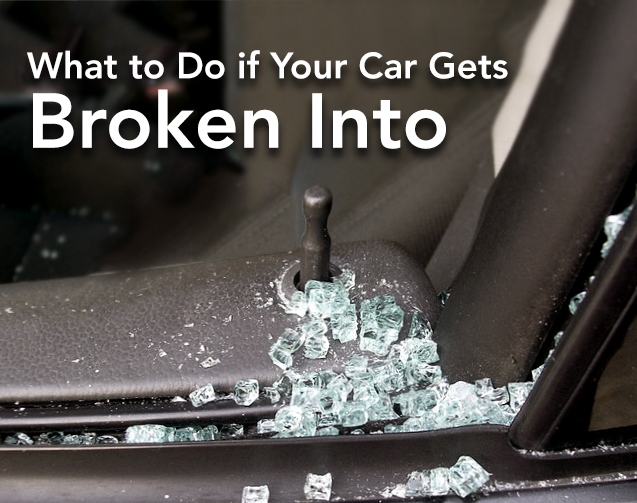
Car prowls are on the rise in the Seattle area. My car got broken into last year and I was mad! I was also at a loss about what to do, so here are my tips about what you need to do if your car gets broken into:
1. Call the police. You need to make a record of the break in for insurance purposes, if nothing else. Call the police. Tell them what happened. Ask them to make a report of it. Get the police report number, and get a copy.
2.Deactivate your cell phone. Contact your cell carrier and deactivate your phone immediately if it was stolen to help prevent against cyber theft, identity theft, or even just creepy phone calls.
3. Take photos. Before you leave the scene, get photos of the damage to your car.
4. Make a list of everything that was stolen. Do this as soon as you possibly can. People will start asking you what was stolen and you may have a hard time remembering, so make this list before you even leave the scene (if it is safe to do so).
5. Call your insurance company. Damage to your car should be covered under your auto insurance policy. Replacement of your lost goods could be covered under your homeowner’s coverage, renter’s insurance, and/or auto insurance. Ask your adjuster for the claim number and instructions on how to file a claim.
6. Get your car repaired. Your auto insurance company can help you with this. If glass was broken, they often have recommendations for places that will quickly replace broken windows.
7. Locate proof of ownership of your goods. Your insurance claim will go much smoother and your reimbursement will be much more accurate if you are able to prove that you owned the items that were stolen, and how much they cost. Look for sales receipts, credit card bills, and photos of the items that were stolen.
8. Start replacing your stolen items. If you have “Replacement Cost coverage” you will get reimbursed for the actual cost to replace the item “with like kind and quality” as soon as you actually replace it. I found it easiest to just replace everything first and then submit the receipts for the replacement costs. Other people choose to receive the “actual cash value” (i.e. garage sale price) first and then use that money to replace the items, submit the receipts to the insurance company, and then get paid the difference.
9. Create a spreadsheet of the items that were stolen. Start listing everything that was stolen, and that you replace, in an organized fashion. List the item, its original purchase price, the date you purchased it, the date you replaced it, and the amount you paid to replace it. Keep all of the receipts for the new items you purchased. It will be much easier for your insurance company to pay your claim if you submit the information in an organized fashion.
10. Fill out the Police Report and return it. The police will mail you a report to complete and return. Although the vast majority of car prowls are never prosecuted, occasionally stolen property is recovered and traced to its owner via serial numbers. List any items for which you have the serial number.
Preventing car thefts isn’t always possible and may be a fact of life in the big city, but these tips should help you quickly recover and move on.
Deborah Nelson and Jeff Boyd are avid cyclists who enjoy spending time on the Olympic Discovery Trail in Sequim and Port Angeles. They are also proud to represent people in wheelchairs in claims involving the failure of big box stores to fully comply with the Americans With Disabilities Act (ADA) to make their businesses accessible for those in wheelchairs. Nelson Boyd’s work on these cases has forced many large corporations to fix the access to their businesses so everyone can shop there.
Ian Mackay is a local hero on the Olympic Discovery Trail, traveling thousands of miles on the trail each year in his motorized wheelchair. On August 13th, he embarks on “Ian’s Ride – Rolling Across Washington,” riding his motorized wheelchair from Anacortes to Vancouver, WA to bring awareness to accessibility issues in Washington and the need for more accessible paths and trails. Ian and his ride embody everything we admire – courage, determination, adventure, and making a difference in the lives of others.
Nelson Boyd is happy to be a sponsor of Ian’s Ride and to play a small role in helping Ian Mackay achieve his goals.
A guest blog by our friendWayne Parsons of the Wayne Parsons Law Offices.
People look forward all year to their vacations with eager anticipation of adventure and relaxation. Living in Hawai’i, we see millions of tourists visiting the Islands each year and enjoying the ocean and mountain activities that make the state famous. But being away from home also creates some problems because tourists are in an unfamiliar environment and often unaware of the dangers and risks that are second nature to local residents. Here are a few tips to keep in mind when you travel.
Shorebreak
Beaches in lakes, rivers and oceans oftentimes have small waves that roll up on the beach pushed by the ocean swell. These waves don’t so much “break” on the beach, but simply wash up on the beach. In Hawai’i and other places in the world, many beaches have what is known as ‘shore break’ which is a condition where the wave actually breaks or crashes onto the sand at the water’s edge. The National Oceanic and Atmospheric Administration (NOAA) warns:
A shorebreak is an ocean condition when waves break directly on the shore. Shorebreaks are unpredictable and dangerous. They have caused many serious neck and spinal injuries to both experienced and inexperienced bodysurfers and swimmers. Both small and high surf can be equally as dangerous and can cause serious injury or death. Be sure to ask a lifeguard about the wave conditions at the beach.
Hawai’i has many dangerous shore breaks and perhaps the most famous is that of a beach on Oahu about a 30 minute drive from Waikiki called Sandy Beach. The wave breaks directly onto the sand and if you watch the video below you will see that a person who is trying to body surf the wave could easily be driven down directly on their head and suffer a very serious spinal cord injury or brain injury.
A good resource for tourists going to an ocean environment is the NOAA website article“7 Dangers at the Beach.”
Injuries are common at beaches in Hawai’i and many of the beachfront hotels have shore breaks much smaller than Sandy Beach, but that cause many paralyzing injuries to tourists and untrained locals.
Unless you are a very experienced body surfer, you simply should not attempt to body surf any of the waves that break on the beach in Hawai’i or anywhere else. And if you are in the ocean and attempt to ride such a wave, keep your head up in your arms and hands over your head to protect your head and neck should you be driven down into the sand. There are many quadriplegics whose visit at the beach in Hawai’i ended up in tragedy.
Sailboat Rides
The ocean looks azure and peaceful in the sailboat that appears to be moving slowly in the calm waters. In some areas of the world the water is actually calm and flat and the sailboat encounters nothing rough. In Hawai’i and many other places, the water is calm within about a mile of the beach but then it becomes rough when you go out far enough to get into the main ocean swell beyond the wind line. Sometimes, the operators of tourist sails on large catamarans think of the activity as a thrill ride and take the boats into rough water where the whole of the boat will crash up and over the swell and then down into the trough where it encounters another wave. The ocean around islands such as Hawai’i often is extremely rough and the passengers are tossed about quite violently. Take heed of any warnings about finding a secure place to sit and do not move around the boat while it is moving in rough water. It is not uncommon for passengers to be thrown into the air coming down on their arms or hips and suffering fractures. Remember to find a place with secure hand and foot holds and realize that the boat may turn into a bucking bronco. If the wind is high or you see a lot of surf near shore, consider going on another day.
Cool Free Stuff
An Internet search of cool things to do in a tourist area almost always identifies places to go and things to do that are “off the beaten path” and advertised as being a favorite of the “locals.” As an example of such places, there are mountain pools and waterfalls in Hawai’i that oftentimes are on private land but which have become popular for people to go and swim in the cool water and jump off the waterfall into the pools. Many people are seriously injured or die at these locations because they assume they are safe when in fact they are not. One such waterfall has had many serious injuries and some deaths from people attempting to jump off a rock overhang into the pool, slipping and hitting the rocks below. Flash floods from the mountain streams that link these pools can occur on a calm sunny day and wipe out everyone on the rocks and in the pool. When this happens, the blame goes to the person who decided to go to these places and do what everyone else was doing. You have to wonder whether the fun is worth the risk of being paralyzed for the rest of your life or dying. So research carefully any place that you go that is off the beaten path to make sure you understand the risks involved in what may have happened to other people. And if you are trespassing on private property there can be other ramifications.
Bedbugs
Bedbugs are everywhere in major tourist areas. Health officials have not found a way to control the transportation of bedbugs all over the world by tourists and tourist transportation systems.
They are an extremely difficult pest to control. When you check into a hotel the first thing you should do is check the mattress on the bed to see if there are any spots that are the evidence of the bedbug. The spots can be from dried blood from the bedbug biting the guest. If you are staying in a hotel and you notice bites on your body in the morning, immediately check the bedding in the mattress, and make a report to hotel security. Some hotels will not be honest with you about having had a bedbug problem, and may even suggest that you are bitten somewhere else by an ant or other insect. Notifying the Department of Health in whatever location you are traveling is also a good idea if you suspect there is a problem that is not being acknowledged. You should also watch for what appear to be pest-control operators in the hotel or rooms that may be cordoned off.
Mopeds and motorcycles
Mopeds are extremely popular with tourists and result in many injuries and deaths. First of all, you want to make sure that the moped you rent is properly adjusted. You should also make sure that the moped appears to be well-maintained, is clean and neat and is a recognized brand. Moped experts have criticized mopeds from Asian manufacturers as being extremely poorly made and difficult to properly maintain and adjust. A crucial adjustment on a moped is the front fork because a motorcycle or a moped often have what is called a “caster” mechanism. That is what the shopping cart at the grocery store has on its front wheels– and we’ve all experienced a front wheel on a grocery cart that wobbles making it hard to steer the cart. That same wobble can occur on a moped or motorcycle if the front bearing is not tightly adjusted and the front and rear wheels not perfectly aligned. You can read about it on Wikipedia:
“Vehicles that can experience this oscillation include motorcycles and bicycles, skateboards, and in theory any vehicle with a single steering pivot point and a sufficient amount of freedom of the steered wheel, including that which exists on some light aircraft with tricycle gear where instability can occur at speeds of less than 50 mph; this does not include most automobiles. However, coil-sprung vehicles with a track bar setup such as the Jeep WJ, XJ, ZJ, TJ, and JK with both stock and after-market suspension lifts may also have this problem. The initial instability occurs mostly at high speed and is similar to that experienced by shopping cart wheels and aircraft landing gear.”
Because it stops the moped from steering, the operator will be unable to turn the moped as the front wheel vibrates back and forth.
Most people who are untrained will grab the handle bars harder and attempt to stop the vibration that way. But that is exactly the wrong thing to do. By attempting to stop the wobble by grabbing the handlebars harder or pressing down on the front wheel, the wobble is accentuated in the moped can crash. This “wobble” has often been referred to as a “speed wobble,” “death wobble,” “tank slapper” or “shimmy” and it happens when a moped or motorcycle is out of adjustment. You will not be able to look at anything on the moped to determine whether it is properly adjusted and you may be able to drive the moped many miles before a vibration sets off the wobble. It generally happens at about 30 to 35 mph.
Sharks
Shark attacks have been on an increase around the world. In Hawai’i, sharks have attacked both surfers and tourists at the beach in recent years. Various theories exist about why this is happening, and one of them is that the food sources for the sharks are being depleted in the deep water and they are coming closer to shore to feed. Whatever the reason, the best way to avoid a shark attack is to stay in groups and to not swim or surf alone in areas around reefs that are isolated. Sharks do not seem to like the lot of activity and tend to attack isolated swimmers. Obviously, you don’t want to go in the water if you have an open cut that might bleed, which is known to attract sharks. Not every shark will attack a human being if an encounter occurs; many sharks mind their own business and are relatively harmless. Of course, the ocean is where the sharks live and you can’t pick your shark, so the best defense is to not get yourself into an area where you are alone swimming or snorkeling and you are fairly far offshore.
Some complain these days that the world isn’t fun anymore because we all have to worry about so many things. As a trial lawyer, I get the call from people who suffered a serious disabling injury or when someone has died. I have never spoken to someone who has suffered a life-changing injury or the death of a child or a friend or family member, who felt that the risk they took was worth it. For each of us, we will make our own decisions about what risks to take and what risks not to take. Do a little homework and become aware of the risks in the area you travel to, and double check recommendations from Internet sites that talk about secret places to go or thrills that the local people know about. Also, remember that the tour companies in the hotels don’t want to scare you off and may play down some risks that they know about. You have to protect yourself and your family when you travel. Do your own homework, don’t get hurt and then I won’t have to take a call someday because of the tragedy that happened to you.
About the author/blogger:
Based in Honolulu, Attorney Wayne Parsons of the Wayne Parsons Law Offices provides legal representation to victims of serious injuries or wrongful deaths throughout Hawaii. http://www.wayneparsons.com/
It’s a tragic truth that in a contest between 2 wheels/400 pounds and 4 wheels/4,000 pounds, bikes take a beating. Is there anything better than riding a powerful motorcycle through the mountains at sunrise or through the open country on a hot summer afternoon? The sound of the bike, the feel of the wind, the sense of being in the open that you never get in the closed cocoon of a car: that’s why you “live to ride.”
But we can’t ignore the “ride to live” part of the equation. Unfortunately, motorcycle riders aren’t the ones that usually cause wrecks. We ride in an environment where those big steel bullets that surround us are piloted by people that are tired, distracted, impaired, and less-than-fully abled. Cell phones, texting, megawatt sound systems, and GPS units with big screens and talking commands are constant distractions, not to mention talkative passengers, fussy children in back-seat car seats, drivers who don’t remember when Bill Clinton was President or who remember when FDR was and, always, alcohol-soaked drivers (as many as 10% of the drivers on the road during certain hours and days), darkness, and bad weather.
Against all this, all a rider has is his/her wits, superior visibility, superior handling, superior acceleration and braking, and their safety equipment. The bottom line is that it will always be less important to the driver of a car to avoid a wreck with a motorcycle than it will be to the rider.
Many drivers consider riding a motorcycle to be dangerous – which is quite ironic given that cars are the primary danger. Unfortunately, many of those drivers feel that someone who undertakes the completely legal act of operating a motorcycle on the road is “assuming the risk” of whatever happens to them. Again, this is completely contrary to the law. You can’t help but wonder, however, if these negative opinions don’t actually influence the way some drivers drive. If you believe riders are “asking to get hurt,” then how hard are you going to work not to hurt them?
What can you do about this? As a part of Boyd Trial Consulting, we conduct interactive focus groups in motorcycle cases. A question that we constantly ask our mock jurors is: WHAT ARE THE CHARACTERISTICS OF A “GOOD” or “SAFE” MOTORCYCLIST? Over and over, those jurors indicate that the more of these characteristics a motorcyclist had, the less fault they would assign to the motorcycle operator or passenger involved in a collision. It is, in fact, a good list on how to be safe while riding a bike:
Be a courteous rider
Be an aware rider
Rider and passenger should wear safety gear (helmet, boots, protective clothing)
Rider should follow the rules
Rider should use signals
Rider should use more caution than average because they are on a motorcycle
Rider should give eye contact with drivers that are turning, etc.
No weaving in and out of lanes
Follow the law
Ride “cruiser” style bike (vs. “crotch rocket” style bike)
Take pride in bike, as seen in appearance of bike (clean and shiny)
Don’t have “too much bike for the rider”
Ride in appropriate weather
Be an experienced rider
Have good knowledge of what the bike will and won’t do
Rider should be in good health
It’s not fair. Whether a knuckleheaded car driver pulls out in front of a cruiser or a ninja, the car is at fault. When it comes to dealing with the knucklehead’s insurance company, however, they will try to blame the motorcycle rider.
WE CAN HELP. The lawyers at Nelson Boyd have represented many, many riders in cases involving cars that caused a wreck with a motorcycle. The number one “excuse” of the driver is, as you have probably heard, “I didn’t see them.” However, the law is absolutely clear that this is no excuse: “Every person has a duty to see what would be seen by a person exercising ordinary care.” WPI 12.06. No motorcycle has yet been invented that is invisible, and no one exercising ordinary care can miss seeing a bike and a rider.
If you have been injured in a motorcycle collision, TALK TO US BEFORE YOU TALK TO ANY INSURANCE COMPANY, even your own. We can help you steer clear of the landmines that can flip your case against you. WE KNOW WHAT MATTERS.
Clients sometimes tell me they feel like “the insurance company is picking on” them or that they don’t understand why the insurance company is “being so mean” and “putting me under a microscope.” After all, you did nothing wrong. Fair enough, but when was the last time you asked someone to give you money – that you felt you were entitled to, but that they absolutely refused to agree you were entitled to? How did that go over? Not so well, I bet.
Insurance companies are supposed to be in the business of paying legitimate claims. They sell someone an insurance policy, for a fee, and in exchange are supposed to pay a legitimate claim if one occurs during the time when the policy is in effect. Unfortunately, many injured people find that insurance companies only want to sell insurance policies and collect money. They don’t want to pay claims. They just want to keep the money for themselves (have you seen how much money insurance company executives are paid?!).
But what if you are really entitled to this money? What if you lost money – or had to spend money – because someone injured you and you weren’t at fault? After all, you are asking for something you deserve, right? True enough, but that doesn’t mean it will be easy.
When you make a claim, you are immediately suspect. Is your claim legitimate? Are you asking for “too much money?” Are you really entitled to what you seek? Juries are notoriously suspicious of people filing lawsuits and often assume that people who pursue claims are filing “frivolous lawsuits” and looking for “jackpot justice.” The cards are stacked against you. Insurance companies know this (after all, they are the ones pushing the media to report about the “avalanche of frivolous lawsuits”) and take advantage of it. They think that if they make the process of litigation so miserable, you will just go away and will stop asking them for money. Some people do go away, which just reinforces the insurance company’s bad behavior.
So, what can you do about it? First, realize the playing field you are on. You are asking for money from an industry that doesn’t want you to get anything. Accept that and move forward. Understand that as the person filing a claim, you are the one who has the responsibility to prove your claim with evidence. Just because you say you want something doesn’t mean that you will automatically receive it. It is difficult work to prove a claim. Recognize that the insurance company’s mean tactics are just an effort to make you go away. Most importantly, hire an attorney who is tenacious, tough, and experienced in dealing with insurance companies. Make sure that they are up to the fight and that they will guide you through the process and explain the steps as you go along. Filing a claim for injuries is a battle, but it isn’t a battle you should go through alone.
The attorneys at Nelson Boyd have over 50 years of combined legal experience in representing injured people and fighting insurance companies. If you have been injured, if you have an insurance claim, or if you just have questions about insurance coverage, please contact us at (206) 971-7601. Nelson Boyd – We Care. We Can Help.
Welcome to Seattle! We’re glad you’re here. Whether you’ve been to Seattle a hundred times or this is your first visit, we hope these tours will give you a better feel for our fine city and introduce you to some hidden gems. Each of the below tours should take 4 hours or less and can be done on foot, or via public transportation or cab. You don’t need to have a car, in fact, it is better if you don’t! Traffic is congested and parking is expensive here. First, let’s have a look at how to get around:
If you’re flying into SeaTac, consider taking the Light Rail into town. At the baggage claim, look for signs that read “Link Light Rail.” The platform for the Light Rail is at the far north end of the airport (through the parking complex). Once you’ve purchased your ticket (the average price is $2.75, depending on distance traveled) take the escalator up to the platform and hop onto the next train (they all run the same route). Have your ticket ready in case a security officer requests it (but there aren’t any places where you have to swipe it to access the train). The Light Rail goes back and forth all day from the airport to downtown and beyond, up to Capitol Hill and the University of Washington. Throughout its 15 stops, there are only three in the downtown area – Westlake Center, University Street Station and Pioneer Square. These are all quite close in proximity so if you miss one, don’t fret, you can use the next stop. The train will drop you off in the Downtown Seattle Transit Tunnel and from there, take the escalator or elevator up and out onto the street.
This is a Seattle relic built for the 1962 World’s Fair. It has only two stops – Downtown’s Westlake Center and Seattle Center, home of our beloved Space Needle. To catch the monorail from downtown, take the escalators to the top floor of Westlake Center (5th & Pine). Follow the signs to purchase your ticket. They depart every few minutes from either direction. This is a quick, easy way to get to the Seattle Center and a fun way to see the city.
A few years back, city leaders decided Seattle needed a trolley and in 2007 the South Lake Union Trolley was born, however, no one checked the acronym before they launched it. Once that mistake was realized, they promptly renamed it to the “South Lake Union Streetcar” (but it will always be known to Seattleites as the SLUT). This line runs from Westlake (5th and Stewart) along the southeastern end of Lake Union. In January 2016, the First Hill Streetcar line opened, stretching from downtown’s Pioneer Square (S Jackson and Nord Alley) to Capitol Hill (Broadway and Denny), stopping 10 times throughout the 2.5 mile route. These are affordable and easy ways to get around town, however, none of our public transportation connects – so be ready to walk between the different modes. Buy your ticket at the kiosk outside. The streetcars run alongside traffic, stopping at the lights, so make sure to allow enough time to get from point A to B! Check the route map to see if the streetcar is right for your day.
Taxi
This is by far our least favorite way to get around town, but it still works. Although Seattle has Lyft and Uber, we don’t recommend them due to insurance coverage and safety issues. (I’m a lawyer, so I can’t help but analyze every possible bad outcome.)
Foot
This is the easiest and best way to see Seattle. Despite the hills, our city is very walkable, and very safe. Each of these outings can be done solely by foot (with the exception of the ferry tours).
For Information on our Ferries – see “Ride a Boat” below.
Now that you know how to get there, where do you want to go?
History & Homers: Pioneer Square, International District & Stadiums
Pioneer Square is “the old part of town.” It’s south of downtown and starts around 1st and James. Just walk down the hill to 1st Avenue and turn left towards Mt. Rainier. The Pergola at 1st and Yesler marks the official start of Pioneer Square. Everyone loves the Underground Seattle Tour. It gives you a first-hand look at how Seattle rebuilt 22 feet above the ruins caused by the fire of 1889. Don’t miss the Waterfall Garden Park (219 2nd Avenue South) which is located on the site of the first UPS headquarters. The park is tucked behind big gates– an oasis in the middle of Pioneer Square. And just down the street is the Klondike Gold Rush Museum (319 2nd Avenue South).
Pioneer Square is also home to our sporting arenas. The Seattle Sounders and the XLVIII Super Bowl Champions, our very own Seattle Seahawks play at Century Link Field just south of 2nd & King. Further south is Safeco Field, home of the Seattle Mariners. Check out a game while you’re in town!
Are you hungry yet? If so, you’re in luck! Pioneer Square has some great restaurants. Check out Salumi, owned by the father of celebrity chef Mario Batalli (309 Third Avenue South). It is only open on Tuesdays through Fridays from 11:00 a.m. to 3:30 p.m. and the line forms early, but it is worth the wait. If you can’t get there, don’t fret, many restaurants around town serve “Salumi salami.”
We love The London Plane (300 Occidental Avenue South) which is described as “part cafe, part specialty foods grocery, part floral workshop.” For a fancier meal, check out Il Terrazzo Carmine, a taste of Italy tucked away in the same building as Blue Nile, next door to Bebas Delicatessen.
In the mood for something more exotic? Head east across Second Avenue to the International District (locally referred to as “the I.D.”). Uwajimayais the largest Asian grocery store in the northwest and is, in a word, amazing. There is also a huge food court here serving a wide variety of Asian foods. For sushi, go to Maneki (304 6th Avenue South). This restaurant has been open since 1904 and is a huge local favorite, so make your reservations early! For Vietnamese food, treat yourself to dinner at the Tamarind Tree (1036 South Jackson Street Suite A). Again, reservations are a must (and be sure to read the “rules” about reservations on the website– they are strict because this place is so popular). It is located in an ugly strip mall on the edge of the I.D., but inside is beautiful, warm and inviting, and the food is spectacular and affordable. We recommend just telling the server about any food exclusions/allergies you have and let them order for you and eat everything family style. You can’t go wrong.
While you’re in the I.D., also be sure to check out the Wing Luke Museum, which is affiliated with the Smithsonian (719 S. King Street).
An Insider’s Guide to The Pike Place Market
No trip to Seattle is complete without a trip to The Pike Place Market, but please, get the name right. The market is located on a street named “Pike Place,” hence the name. People who haven’t lived here very long refer to it as “Pike Street Market” or the “Pike Market Place.” Don’t sound like a newbie, it’s “The Pike Place Market.”
I recommend you go there early in the morning for breakfast, before it gets unbearably crowded. The bonus is that you will see the vendors setting up their stalls. The best place for a sit down meal is Lowell’s. Located in the main building at the market, just past where they throw salmon (trust me, it isn’t hard to find), you’re presented with two service options: either stand in line to place your order and then grab a seat on the 1st or 3rd floor, or head straight up to the 2nd floor for table service. On the 2nd floor, you have the choice of water views or views of the inside of the market; you can’t go wrong.
Of course, when you are in Seattle, you must stop at the original Starbucks. It’s located across the street from the main market building toward the north end of the market. You can’t miss it, just look for the line. It really isn’t much different than other Starbucks in Seattle aside from the brown logo, not having tables, and constant musicians playing to the coffee-crazed visitors but, when in Rome… For another unique Starbucks experience, try the one on the 40th floor of the Columbia Tower (Washington’s tallest building), or, head up to Capitol Hill for a visit to The Roastery (see below for more information on that).
Browsing the vendor stalls is a wonderful way to pass the time. Be sure to see the local photography booths for nice souvenirs and don’t miss the lower levels where strange and mysterious items are on display and for sale. The Made in Washington Storeis a great place to get a classy souvenir and Sur La Table is the best place to buy the high end cooking gadgets you had no idea you needed!
If you’re a turophile, stopping at Beecher’s Cheese is a must! Peer through the glass walls as they make their famous cheese or try some samples– indulge in a grilled cheese sandwich, mac & cheese, or just purchase a snack for later. If you miss Beecher’s at the market, you can stop by their kiosk in Terminal C at SeaTac – how convenient!
If you like ginger ale, stop byRachel’s Ginger Beerfor a sweet and spicy beverage (they have cocktails and milkshakes, too!).
My favorite thing at the market is the seafood. Of course, you have to watch them throw the fish, but also see if you can find someone selling geoducks (pronounced “gooey duck”). It is difficult to describe their appearance without being indelicate, so just ask around and see if you can find one. In my opinion, anyone traveling to Seattle should make it their personal mission to eat as much Dungeness crab as humanly possible, because it is that good! I don’t care where you are from, our crab is better. The very best crab cocktail can be found at Jack’s Fish Spot across the street from the main market building, right next to the Three Girls Bakery (another excellent place to graze). Order a crab cocktail at Jack’s and maybe some oysters, cioppino, and even some fish & chips, if you’re still hungry. The food is amazing and super cheap. If you really like it, they can pack up some crab for you to take home– or ship to you.
If the weather is nice and you are in the mood for al fresco dining, head to The Pink Door. Go north down Post Alley and look for the pink door (there is no sign to the restaurant). Just walk in the door like you own the place and pray for a spot on the deck. If you’re interested in an intimate evening dining experience, check their website for events such as aerial performances and book a reservation for their inside dining room.
If you’re anything like us, by now you’ve done a lot of eating, so you should probably start walking it off. Head down the ramp right below the fish throwers (apparently, all roads in the market lead to “where they throw the fish”) and look for The Gum Wall. That took away your appetite, didn’t it?! Don’t get too close. That stuff is real! They recently cleaned one of the “Top 5 germiest tourist attractions in the world,” in an attempt to squelch the sugar degradation of the bricks, but it did NOT last long! The gum chewing masses (locals and tourists alike) made sure of it.
After you’ve gotten your fill of our crazy-weird gum wall, head down to the waterfront’s Pier 57 and treat yourself to a ride on The Great Wheel. It has only been here a few years, but the city has embraced it and it’s definitely worth doing. Check the website for operating hours before heading down. The rest of the waterfront has some fun shops and restaurants but it’s pretty torn up due to construction, so I don’t recommend it at the moment. Just head down for a ride on the wheel (or to take a trip on the ferries or water taxi) and then head back up the hill to downtown.
On your way back to downtown, just across the street from the Great Wheel is the Copperworks Tasting Room & Distillery. Check out the copper stills, take a tour, and taste their locally made gin and vodka.
On your way back to your hotel, go up the steps toward the Four Seasons Hotel (this leads you to 1st & Union, or go up the Harbor Steps stairs at University Street) and turn the corner to Fran’s Chocolates (1325 1st Avenue). You will thank me for this. Be sure to try a sea salt caramel dipped in chocolate. You can buy a box to take home. If you have really strong willpower, you may actually still have some when you get home, although I doubt it!
Techies & Tacos (South Lake Union)
A few years back, there was nothing but a few warehouses and random buildings between the Westin Hotel (the two round towers on 5th Avenue) and Lake Union. Then, Microsoft’s Paul Allen started a construction company called Vulcan, and Amazon’s Jeff Bezos decided to locate his company there and – BOOM – an urban neighborhood sprouted up. Actually, it is a constant work in progress as you can see from the “(construction) crane forest.”
The easiest way to get a handle on this neighborhood and what it has to offer is to ride the Seattle Streetcar all the way to the end and then get off at a stop on the way back and explore. Board the SLUT just north of Westlake Center right across from the Westin. It will zoom you down Westlake Avenue past Whole Foods (aka “the cafeteria”) and into the heart of The Amazon. If you see 20 somethings wearing hoodies, backpacks, earbuds, and light blue ID cards (aka “the nerd herd” or “Amazonians”) you will know you are close.
The Seattle Streetcar goes through the middle of the Amazon campus (look for the big open book logo on one of the buildings) where they have a host of eateries including a trio of Tom Douglas restaurants: BraveHorse Tavern (think college frat house), Cuoco (Italian) on Terry Avenue, and Serious Pie & Biscuit (artsy fartsy pizza) on Westlake. Other wonderful food options include Portage Bay Cafe at Terry & Harrison (a great spot for brunch), Re:public Restaurant and Bar at Westlake & Republican (great foodie find for locally sourced food and craft cocktails), and, our favorite, Cactuson Terry for yummy southwestern food and outdoor dining (warning: Seattle food is not spicy at all– must be something about the number of us Pacific Northwest Scandinavians here, but the food is really tasty. If you want spicy food, you’ll have to find a Thai restaurant).
If you stay on the SLUT, it will take you down to Lake Union. There is a great park here, as well as The Center for Wooden Boats , where you can rent, view, or buy a boat. This end of the lake is also home to the Museum of History and Industry (“MOHAI”). MOHAI is well worth a visit (every first Thursday of the month is free entry). There are fabulous permanent exhibits about Seattle’s history and a great movie about the city. Plus, the building and its setting are lovely. It sits on the lakefront and the surrounding park is often host to various community events, so have a look at the schedule to see if any exciting festivals are going on while you’re in town, or just come to the park to relax, swim, or watch Kenmore Air’s seaplanes take off and land. Another fun option is to hop aboard an Argosy Cruise Tour for a trip around the lake through the Montlake Cut and into Lake Washington to check out the floating homes, University of Washington stadium, and listen to fun and historical facts about the region. During the summer, check out the Ice Cream Cruiseon the m/v Fremont Avenue.
If you are looking for a nice run or a (very) long walk, follow the sidewalk from MOHAI, around Lake Union (7 miles for the full loop) which will take you through Fremont and Eastlake or to the Seattle Center. Or, if you are the outdoorsy type, head east on Denny Way, take a left on Fairview and a right on John Street to the flagship REI storewhere you can ride a mountain bike over trails, climb a rock wall, stretch out in a tent, or try out new hiking boots.
Seattle Center
Let’s talk about the Seattle Center. It is home to the Space Needle and several notable museums. This is probably the best place to enjoy on rainy day or if you don’t want to do much walking.
Chihuly Garden and Glass Museum is located at Seattle Center and is one of the tops spots to explore. This place is really special. Be sure to take your cell phone with you to do the audio tour (which you can even listen to on your desktop whenever you like), and your camera. The work here is really stunning. Stop at the museum’s Collections Cafe for a bite to eat afterwards. The food is quite good and each table at the restaurant features a different item that Dale Chihuly has collected (we’re talking fishing lures, alarm clocks, juice squeezers, etc.).
If you like music, you will enjoy the Museum of Pop Culture (aka “MoPop”). The building was designed by Frank O. Gehry to resemble a collection of guitar pieces. Inside, you can watch videos, try out instruments, and see lots of unique Jimi Hendrix memorabilia.
Paul Allen owns MoPop. He buys Seattle cool things like EMP, the Science Fiction Museum, the Cinerama movie theater, the Sounders, and the Seahawks because he wants us to be happy. He’s not trying to change the world with these purchases, but if that is your thing, then cross the street to the Bill and Melinda Gates Foundationwhere they are trying to change the world. The visitor’s center is free and is open Tuesdays through Saturdays from 10 a.m. to 6 p.m.
If you want a quick bite to eat, stop by the Seattle Center Armory which is a food court full of local foods. You can find vegan dining, seafood, wood fired pizza, and even bacon jam (at Skillet). Another good dining option is Taylor Shellfish Oyster Bar, just across from the northwest corner of the Seattle Center (behind Key Arena). Taylor Shellfish is perhaps the finest purveyor of local shellfish, which is saying a lot. The food here is great. We also like the Mexican restaurant, Agave Cocina and Tequilas!
Seattle Center plays hosts to a ton of wonderful events and festivals such as Bumbershoot Music Festival, International Beerfest, Bite of Seattle, various cultural festivals and lots more! There are also free outdoor movies and fitness classes. Follow their Facebook Page for details and updates regarding all they have to offer.
While you’re there, be sure to check out and play in the iconic International Fountain on the lawn outside Key Arena (another great concert and event venue). Throughout the day it dances to 5 different songs! There’s also a skate park and an amazing children’s playground, opened just last year called Artists at Play.
You may notice that I have not yet mentioned the Space Needle. There is a reason for that. I love the Space Needle as much as anyone, probably more, but it costs an adult $22 to ride to the top, which I think is a bit pricey. If you must go to the top of the Space Needle, then by all means, go ahead. But, if you want a really great view with a smaller price tag, then go to the Sky View Observatory on the 73rd floor of the Columbia Tower for the best view in town. It is located at the corner of Columbia & 4th and 5th Avenues (NOT on the Seattle Center Campus). Tickets are only $14.75 for adults and the view is even better and higher up. On your way up there, stop at the highest Starbucks in the world on the 40th floor “Sky Lobby.” As another viewpoint option, you can pop up to the top of the historic Smith Tower, which has watched over the city for over 100 years. At just 35 stories, it was once the tallest building west of the Mississippi.
Chillin’ on the Hill (Capitol Hill)
Capitol Hill is where the cool kids hang out. The best way to get there is to head north on 6th Avenue and turn right (east) onto Pike or Pine and walk up the hill. Capitol Hill is full of so many cool and interesting things that it would be impossible to list them all. The best way to explore is just by walking around and seeing what interests you. Do not, I beg you, take a car up here. There is no place to park and the traffic is horrendous. This past January, the First Hill Streetcar line opened, stretching from downtown’s Pioneer Square (S Jackson and Nord Alley) to Capitol Hill (Broadway and Denny), stopping 10 times throughout the 2.5 mile route. Of course, it does not connect with the SLUT, but if you’ve read all the way through, you knew that already!
Broadway, 12th Avenue, and 15th Avenue are the main north/south thoroughfares on the Hill and there are little discreet pocket neighborhoods scattered about. Before you get too far along, you will need some coffee. Victrola Coffee (310 S. Pike Street) and Caffe Vita (1005 E. Pike Street) are worthy local choices. If Starbucks tickles your fancy, stop by the Starbucks Roastery on the corner of Pike and Minor. It’s an amazing facility bustling with activity that will even WOW non coffee-lovers. Partnered with Tom Douglas’s Serious Pie, you can stop by to watch where Starbucks Coffee worldwide is roasted; enjoy a wood fired pizza; pick up a one-of-a-kind souvenir sold exclusively at that location; or treat yourself to fresh baked goods supplied by Dahlia Bakery, another local Tom Douglas favorite.
Let’s start with some shopping. Elliott Bay Books (1521 10th Avenue) is a book lover’s paradise, local and unique. You could spend an entire day here. Across the street is a great record store, Everyday Music, with actual records! Around the corner on Pine Street is Molly Moon’s Homemade Ice Creamwhere you can choose from flavors like balsamic strawberry, salted caramel, and Stumptown coffee. Life is short, try them all! A couple doors down from Elliott Bay Books on 10th is OddFellows Cafe. This place is open early and stays open late, but is nearly always full. The craft cocktails are great and the food is fabulous.
If you head north from Elliott Bay Books, turn north onto Broadway and see the Jimi Hendrixstatue across the street from Seattle Central Community College.
If you haven’t had your fill of books, head north on the hill to Ada’s Technical Books (425 E. 15th Avenue) just past Harrison, and explore books on math, engineering, science, architecture, computers, etc. They have a cafe, too.
Further south on the Hill are several notable restaurants and bars. Check out Tavern Law (1406 12th Avenue), Canon: Whiskey and Bitters Emporium, (928 12th Avenue) which was named as one of the “Best Bars in America” by Esquire and winner of “Best American Cocktail Bar” and “World’s Best Cocktail Menu,” and Cafe Presse (1117 12th Avenue) for Caffe Vita coffee, a croquet monsieur, and to pick up your favorite international newspaper or magazine while you watch a soccer game at the bar.
Ride a Boat
If you’re looking for a quick trip and a great view, catch the West Seattle Water Taxi. It’s only a short ride (about 20 minutes) and when you get off, you have two choices: walk along the waterfront (about 2 miles to the part of West Seattle known as Alki – great on a relaxed sunny day) or take the small shuttle bus that stops at various spots in West Seattle (finally, public transportation that connects to something!). Right next to the water taxi dock is a fun casual restaurant, Marination Ma Kai. They have inside dining, as well as a big patio, and specialize in Hawaiian-Korean fusion cuisine. Also near the dock is Salty’swhich has the best view of Seattle and a wide selection of seafood. Dine on the patio or in the dining room. If you’re feeling like more activity, rent a kayak or a paddle board and enjoy the water. Be sure to listen for a loud yelping sound down near the water– those are sea lions you hear!
Alki is a fun place and worth the walk. It is a neighborhood right on the water with a huge beach and plenty of shops and restaurants. It is a bit like Southern California, aside from the temperature, expansive mountain views, and ferry boats. If you opt for the shuttle bus, it will drop you at the end of Alki and you can walk or ride back to the water taxi after exploring. There is a Cactus Restaurant here (see South Lake Union Section) with outdoor seating. Another great Tex Mex option with indoor/outdoor seating is El Chupacabra (which also has a location in South Lake Union, by the Center for Wooden Boats).
If you’ve got the time, I highly recommend riding the Bainbridge Island Ferry. Everyone should do it. Just head down to the terminal at Pier 52, buy a ticket, and walk on the ferry. The ride over is stunning. When you get there, get off the ferry and walk up the street to the little town of Winslow. The new Bainbridge Island Museum of Art is free (free is good, right?!) and open from 10 a.m. to 6 p.m.
There are plenty of places to eat on Bainbridge. Head west on Winslow Way to Streamliner Dinerwhich will be on your left. They serve breakfast and lunch and it is well worth the wait. Further east on Winslow Way and just up an alley called Madrone Lane is Mora Iced Creamery. The ice cream here is really delicious, but you can’t see it! Instead of being displayed in glass-topped cases, the ice cream is stored “in its own state-of-the-art temperature-controlled compartment.” Hitchcock Restaurant and Deli (129 Winslow Way) has a wood fired oven, handmade pasta, charcuterie, and a ton of awards for their food.
Winslow also has good shopping. My favorite stops are the bookstore and the travel store. There is also a yarn shop, several gift shops, and home furnishing stores.
When you are done on Bainbridge Island, go back to the ferry terminal and hop the next boat. The ride back to Seattle is free. As you ride back to Seattle, be sure to get some pictures. That is Mt. Rainier on your right, Mount Baker on your left, the Cascade Mountains in front of you, and the Olympic Mountains behind you. Glorious, isn’t it?!
For a bit longer ferry trip, ride the ferry from Seattle to Bremerton. The ride is 1 hour long and beautiful. When you get to Bremerton, enjoy the boardwalk on the waterfront, the park next to the ferry, the Naval museum, or feast on some excellent seafood at Anthony’s.
Whichever tours you take on your visit to Seattle, you are sure to have a great time. We hope you enjoy your visit and come back again!
Well, there you have it! Plenty of options for you to experience the best of Seattle. We hope you enjoyed your visit. See you next time!
According to the National Highway Traffic Safety Administration, a total of 677 cyclists were killed in motor vehicle crashes in 2011. All of these deaths were preventable. Although cyclists cannot control what vehicle drivers do when approaching cyclists, there are many things cyclists can (and should) do to decrease the possibility of being killed or injured:
Always wear a helmet.
This rule applies regardless of the type of bike, cyclist or terrain. It increases your visibility and lessens the likelihood of traumatic brain injury.
Always follow the traffic laws.
Bicyclists are required by law to follow the same traffic laws as vehicles. This means you must stop at traffic lights and stop signs, yield to other vehicles when necessary, and signal before you turn. Some cyclists give others a bad name by refusing to follow traffic laws– don’t be one of them.
Never wear headphones.
Headphones create needless distractions that keep you from hearing approaching traffic and focusing on your surroundings.
Wear bright and/or reflective clothing.
It makes it easier for motorists to see you, even during daylight.
Use flashing lights and reflectors.
Use a flashing white light on the handlebars and a flashing red or white light on the back of the bike. This makes you more visible to drivers, pedestrians and other cyclists. Use these both during the daylight and at night.
Make eye contact with motorists.
When approaching a crosswalk or intersection, it is tempting to try to dart across the street before a nearby car approaches or to assume that the car approaching sees you. Don’t do it! Instead, wait until the car comes to a stop; make eye contact with the driver (or wave or nod) before crossing in front of the driver (after you have confirmed they are waiting for you). As you cross, wave or say “thank you.” After all, you want to be one of those cyclists who give others a good name!
Watch out for hazards on the road surface.
Potholes, cracks in pavement and debris on the road generally don’t pose a danger for motorists. For cyclists, however, they can prove fatal. Watch out for these hazards and alert your fellow cyclists to them by shouting out hazard warnings.
Watch out for car doors and reversing cars.
Far too many cyclists are injured by cars backing up out of parking spaces and car doors being opened next to lanes of travel. As you approach parked (or parking) cars, watch for movement, taillights and people in the cars. Do not assume they can see you-– all cars have blind spots and many motorists are not even aware that cyclists may be approaching. Use caution and shout out hazards.
Be prepared.
Even if you are going out for a short ride, be certain to have sufficient water, food, money, identification, emergency contact information, your health insurance card and repair tools with you. Don’t assume that every ride will be a smooth easy one.
Be considerate of your fellow cyclists.
Sometimes, we are our own worst enemies. If you are passing another cyclist or a pedestrian, always do it on the left AND always announce yourself and leave plenty of room when passing (“two passing on the left”), if you see hazards, let your fellow cyclists know (“car up” “hole right”), if you see a cyclist by the side of the road, ask them if they need assistance.
Bicycling should be a joyful activity whether you are commuting, exercising, or training for an event. Exercising caution will make your ride more enjoyable, safer, and less stressful for those around you.
For more information on riding safety, training and organized rides, check out these websites:
Although everyone is different and has different needs and financial considerations, the following are some general tips about how to protect yourself and your family.
This insurance covers people you injure with your automobile. Washington law requires that you purchase insurance that will pay a minimum of $25,000 per person and $50,000 per collision. If you injure someone and they file a claim against you, your insurance company will hire an attorney (at no charge to you) to represent you and protect your interests. If you do not have enough insurance to fully compensate the person you injured, you may need to hire (and pay for) an attorney to protect your personal assets. If you injure someone in a collision and you do not have this insurance on the date of the collision, you may receive a traffic citation, a fine, or have your driver’s license revoked. In addition, when you attempt to purchase insurance thereafter, it will probably be very expensive. In other words, if you don’t have insurance, don’t drive! We recommend that you have at least $100,000 in Liability Insurance. If you have an above average income, own a home or have other assets, you should have at least $250,000 in Liability Insurance.
Personal Injury Protection (PIP) Insurance
This insurance pays your medical bills from a collision. In some cases, it may also cover your passengers, pedestrians, and bicyclists. This insurance pays benefits regardless of fault. In other words, even if you cause a collision, PIP insurance may pay for your medical treatment. Even if you have health insurance, you should purchase PIP insurance. PIP insurance is better than health insurance because there is no deductible, no co-pay, and no pre-authorization requirement. You may choose any licensed healthcare provider to treat you, even alternative therapies such as chiropractic treatment, massage therapy, physical therapy, and acupuncture. PIP insurance is very affordable. PIP insurance also provides limited wage loss benefits, funeral benefits, and loss of essential services to compensate for things such as babysitting, lawn care, and house cleaning. Because the insurance company representing the person who caused the collision will not pay your medical bills until you are ready to settle your entire case, you need PIP insurance. We recommend that you have at least $35,000 in PIP Insurance. If you have an above average income, own a home or have other assets, you should have at least $100,000 in PIP Insurance.
Uninsured/Underinsured Motorist (UIM) Insurance
Unfortunately, not everyone takes responsibility for his or her actions. Some people don’t purchase even the minimum amount of liability insurance required by the State and other people cause injuries that exceed the amount of insurance coverage they purchased. Because you cannot rely on other people to adequately insure you against the harm they may cause, you must take responsibility for yourself and purchase sufficient UIM insurance to fully compensate you for injuries you may suffer through someone else’s fault. If you are injured as the result of someone else’s actions, your UIM insurance may compensate you in the event the other person’s insurance is not sufficient, or in the event they do not have any insurance. In some cases, it may even cover you if you are injured as a pedestrian, bicyclist, or if you are a passenger in someone else’s car. Although it may seem unfair that your insurance company would have to pay you, you are paying for this insurance coverage. It isn’t something your insurance company is doing as a favor to you. UIM insurance is absolutely crucial. You cannot afford to be without it! We recommend that you have at least $250,000 in UIM Insurance. If you have an above average income, own a home or have other assets, you should have at least $500,000 in UIM Insurance.
Umbrella Insurance
Umbrella policies float on top of your other insurance policies to compensate people who you may unintentionally injure at home or with a vehicle. This insurance provides insurance coverage in addition to your underlying policy to protect your assets from being seized by someone you may have injured. These policies vary from insurer to insurer. If you can purchase an umbrella policy that includes UIM insurance, it is a good idea to do so. If you have an above average income, own a home or have other assets, you should have a $1,000,000 Umbrella policy. If your net worth is over $1,000,000, you should have an even bigger Umbrella policy.

 School is soon in session. Several traffic laws apply specifically to school zones, school buses, and children. Violation of these laws is expensive and, often, tragic. Although the fines for these violations vary depending on the jurisdiction where the offense occurs, the maximum fine allowable in Washington for general traffic offenses is currently $250.00 per offense. However, violations occurring in school zones or with school buses may be doubled. In other words, the penalty for violating these laws may be as high as $500.00!! Make sure you know and follow these rules:


 This is a Seattle relic built for the 1962 World’s Fair. It has only two stops – Downtown’s Westlake Center and Seattle Center, home of our beloved Space Needle. To catch the monorail from downtown, take the escalators to the top floor of Westlake Center (5th & Pine). Follow the signs to purchase your ticket. They depart every few minutes from either direction. This is a quick, easy way to get to the Seattle Center and a fun way to see the city.
 m Westlake (5th and Stewart) along the southeastern end of Lake Union. In January 2016, the First Hill Streetcar line opened, stretching from downtown’s Pioneer Square (S Jackson and Nord Alley) to Capitol Hill (Broadway and Denny), stopping 10 times throughout the 2.5 mile route. These are affordable and easy ways to get around town, however, none of our public transportation connects – so be ready to walk between the different modes. Buy your ticket at the kiosk outside. The streetcars run alongside traffic, stopping at the lights, so make sure to allow enough time to get from point A to B! Check the

 Pioneer Square


 I recommend you go there early in the morning for breakfast, before it gets unbearably crowded. The bonus is that you will see the vendors setting up their stalls. The


 look for the pink door (there is no sign to the restaurant). Just walk in the door like you own the place and pray for a spot on the deck. If you’re interested in an intimate evening dining experience, check their website for events such as aerial performances and book a reservation for their inside dining room.
 If you’re anything like us, by now you’ve done a lot of eating, so you should probably start walking it off. Head down the ramp right below the fish throwers (apparently, all roads in the market lead to “where they throw the fish”) and look for T
 After you’ve gotten your fill of our crazy-weird gum wall, head down to the waterfront’s Pier 57 and treat yourself to a ride on

 If you stay on the SLUT, it will take you down to Lake Union. There is a great park here, as well as
 watch


 While you’re there, be sure to check out and play in the iconic
 You may notice that I have not yet mentioned the


